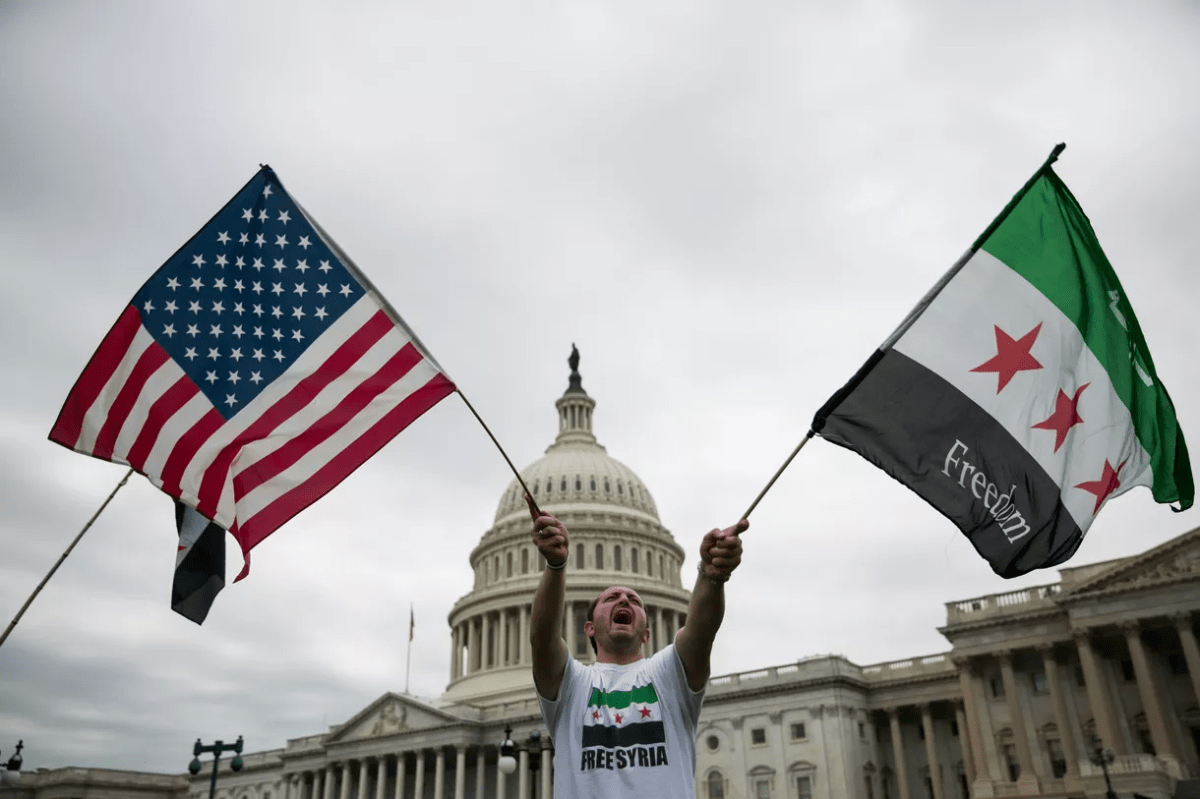
The power vacuum in Syria and the influence of rival players urges the U.S. to protect its interests in the region by rebuilding the country’s social infrastructure with very limited violence.
 Journal on World Affairs, UCLA
The power vacuum in Syria and the influence of rival players urges the U.S. to protect its interests in the region by rebuilding the country’s social infrastructure with very limited violence.
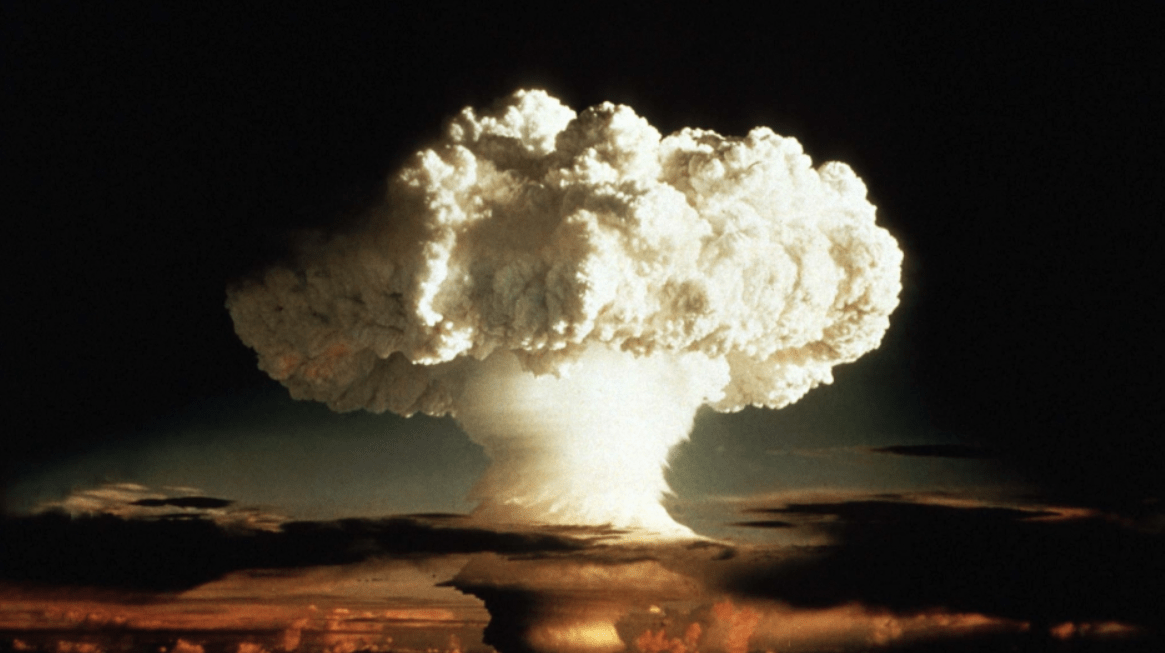
While the extension of New START signals a potential change in bilateral relations, tensions will likely continue to exist between the two nations.
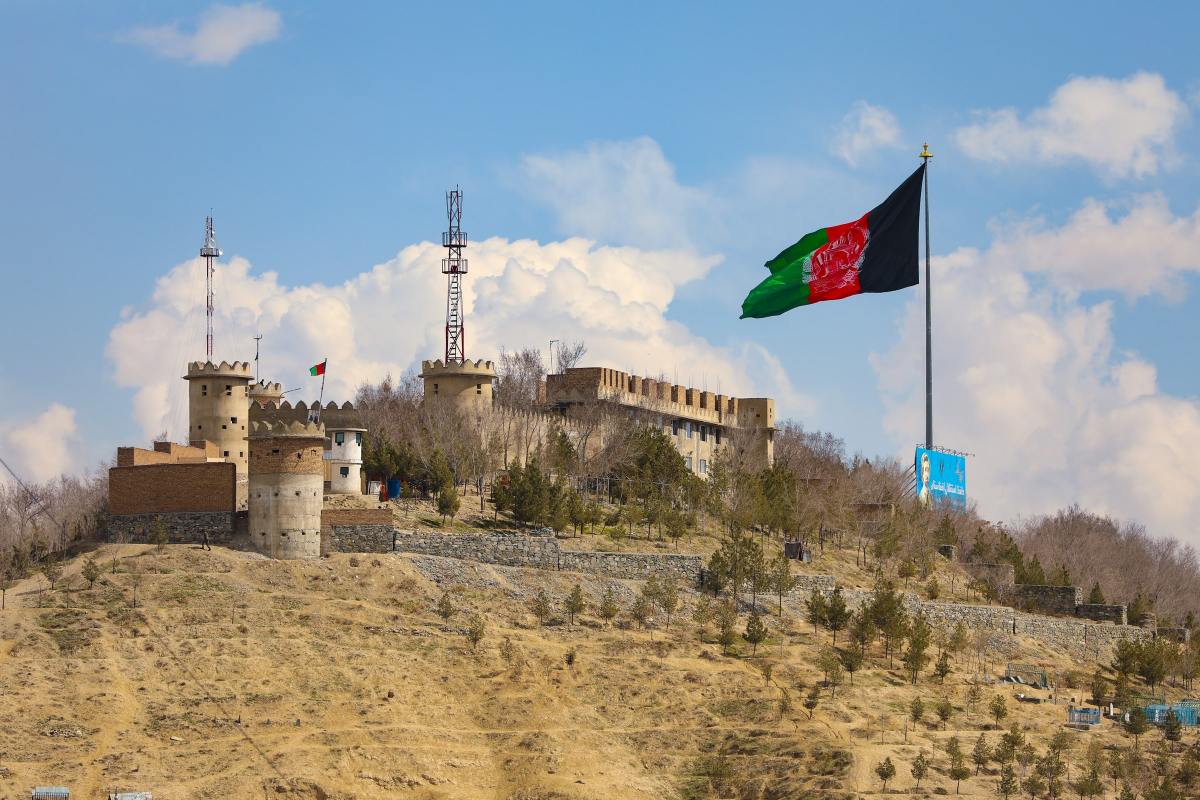
Although the world is hopeful for the prospect of an end to conflict, any peace agreement will hide abuses to human rights and religious plurality─something the world hoped to end when they ousted the Taliban in 2001.

The surge in saber-rattling suggests that Beijing will continue provoking Taipei using a gray zone strategy. While subversions of political systems and covert paramilitary operations have historic roots, China is using a new collection of tactics, notably in the cyber sector, that are challenging US and allied interests in novel ways.
Almost reflexively, parallels are drawn between the Cold War and the new bipolar world order. However, lessons learned from the Cold War cannot be directly applied to this new Sino-American bipolarity.

China’s current leader has worked swiftly and ruthlessly to extend and cement his grip on power. He has presided over China at a time when the West increasingly perceives his country’s rise, intentions, and actions as an existential threat to the rules-based international order. The question remains: is Xi the driving force behind today’s China, or a product of it?

The United States’ status as the world’s sole hyperpower will most likely erode by 2050. However, instead of replacing the current superpower, China will most likely be locked into a bipolar international structure.

California Natural Resources Agency Secretary Wade Crowfoot officially announced that California will now participate in the UN Convention on Biological Diversity as an observer in an effort to combat biodiversity loss.

In recent times, however, there have been tensions between the United States and other NATO member nations regarding financial contributions to NATO.

In the face of GCC sanctions, Qatar has persevered, and with its perseverance has come ambition, primarily in the form of a fortuitous alliance with Iran.

 Journal on World Affairs, UCLA