Sub-Saharan Africa and other developing regions suffer from a lack of foreign direct investment. This paper analyzes how democracy and certainty factors in elections impact FDI inflows in Kenya, Tanzania, and Uganda from 1971-2015.

 Journal on World Affairs, UCLA
Sub-Saharan Africa and other developing regions suffer from a lack of foreign direct investment. This paper analyzes how democracy and certainty factors in elections impact FDI inflows in Kenya, Tanzania, and Uganda from 1971-2015.

Gorbachev wanted to create “socialism with a human face.” But in an attempt to save his own country, he was squashed by both his former allies and the new reformers. Uskorenie, perestroika, and glasnost simply pulled away the fragile veil that kept society stifled.
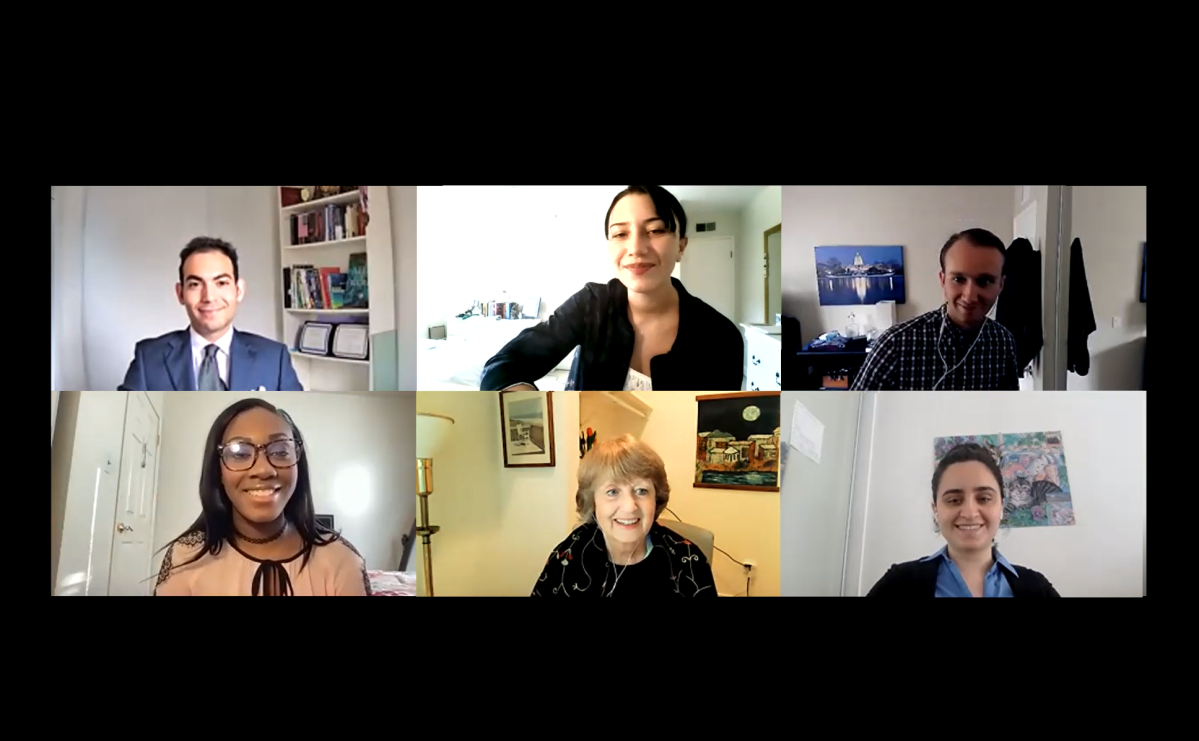
Nader Mehrdadi (top left) interviews Justice Jennifer Hillman, a senior fellow for trade and international political economy at the Council on Foreign Relations specializing in U.S. trade policy, the law and politics of the World Trade Organization, international organizations, and Brexit. If current trends in population growth hold through 2050, the resources of three planet […]

New Zealand acted early and aggressively, and it paid off. However, one subset of the population was hit especially hard: the Indigenous Māori community.

Contrary to the ambitions of neoliberal policies, a rapid transition towards free markets will not ensure economic efficiency. Instead, India’s government must revise the agricultural reforms to include safeguards against market volatility and protect local producers from exploitation by corporations.

The RCEP was initiated in November 2012 in Phnom Penh, Cambodia by ASEAN with the goal of fostering multilateral trade among the deal’s signatory states and India. While involved in the negotiation process, India withdrew in 2019 over concerns that tariff reductions will harm local producers.

White, Male Supermanagers as the Purveyors of Income Inequality
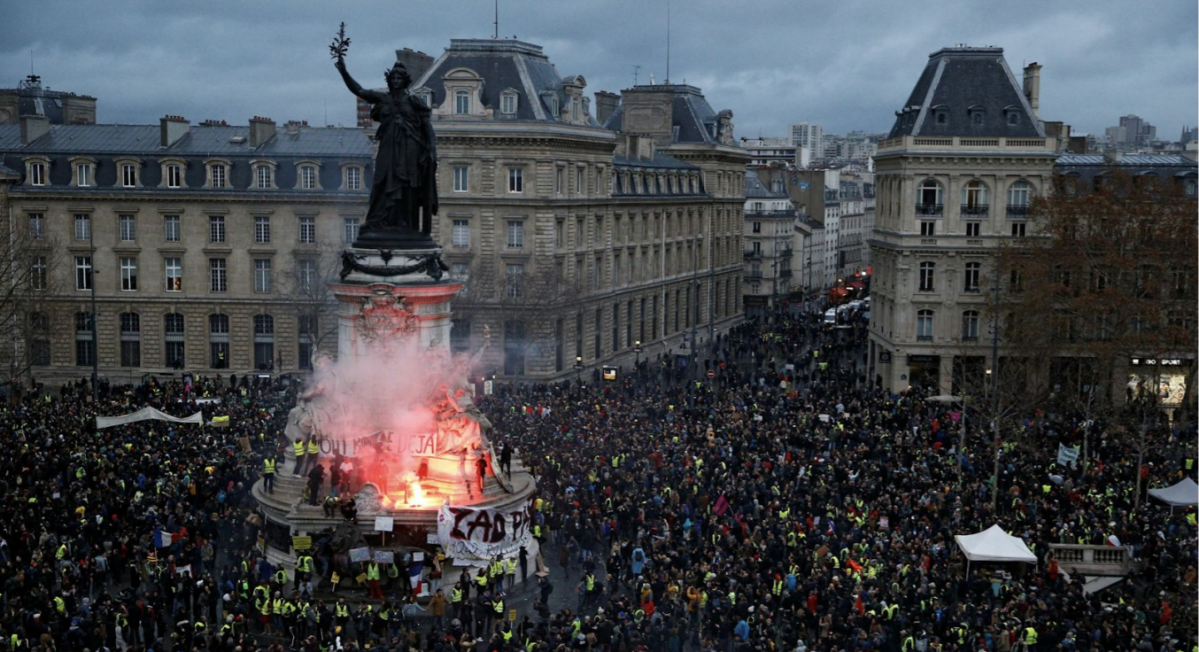
French protests during COVID-19 have been one of the only constants the country could expect in this unprecedented year.

Countries have yet to escape the grasps of their former colonizers as new foreign powers flock to the continent to install their own systems of extortion, in particular France and China.
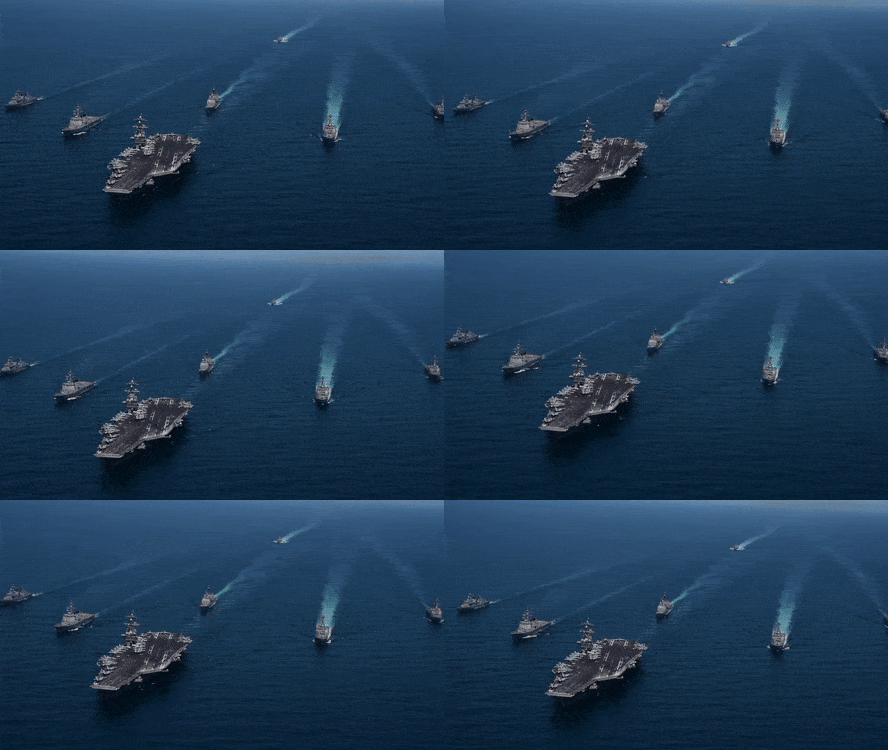
Almost reflexively, parallels are drawn between the Cold War and the new bipolar world order. However, lessons learned from the Cold War cannot be directly applied to this new Sino-American bipolarity.

 Journal on World Affairs, UCLA