The AU has made great strides towards its purpose, but lack of real political power and alarming dependency on foreign powers may well result in its own demise.
Gorbachev wanted to create “socialism with a human face.” But in an attempt to save his own country, he was squashed by both his former allies and the new reformers. Uskorenie, perestroika, and glasnost simply pulled away the fragile veil that kept society stifled.
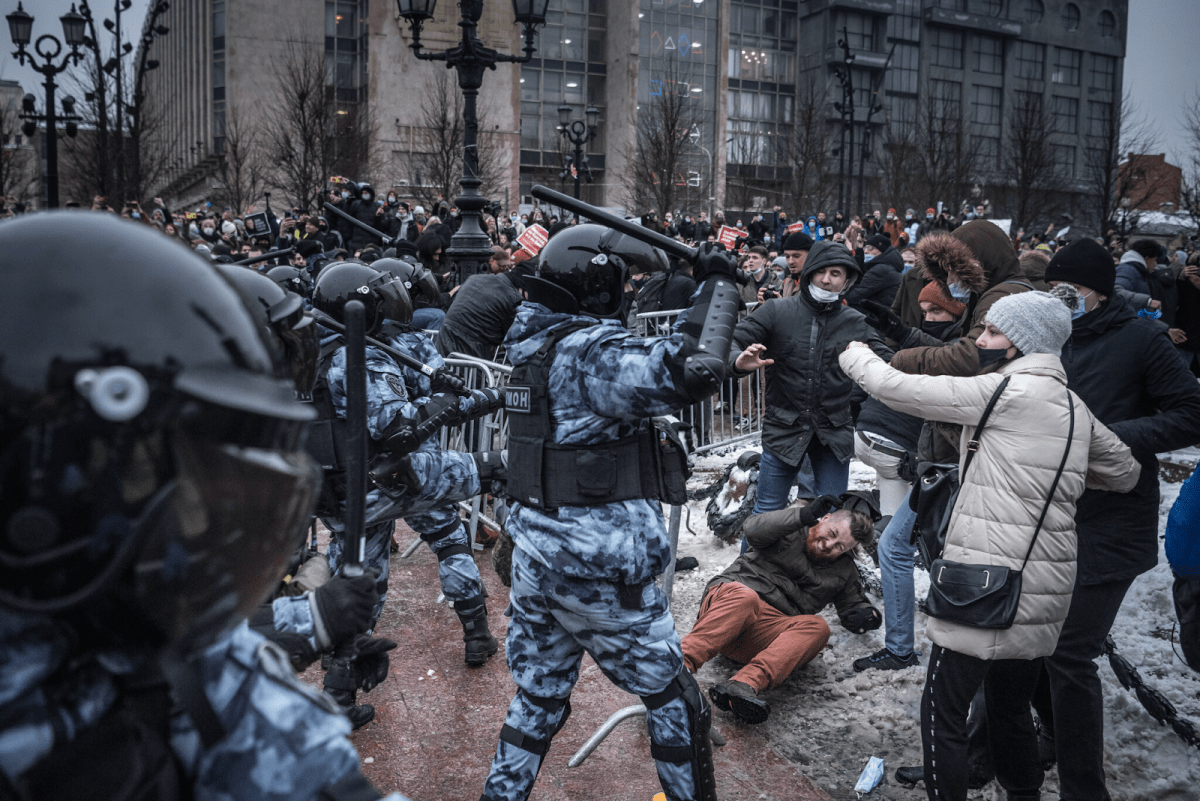
While the recent protests are unlikely to result in substantial changes, they have brought more attention to the issues within Putin’s government. As other countries decide on how to react, actions by European nations may force the Kremlin to adjust its human rights record and decrease the suppression of opposition groups.
New Zealand acted early and aggressively, and it paid off. However, one subset of the population was hit especially hard: the Indigenous Māori community.
While Washington is unlikely to remove all economic sanctions imposed on Iran, only time will tell which country will give in first. Even though the United States continues to carry a big stick, at some point some compromise from both sides must occur.
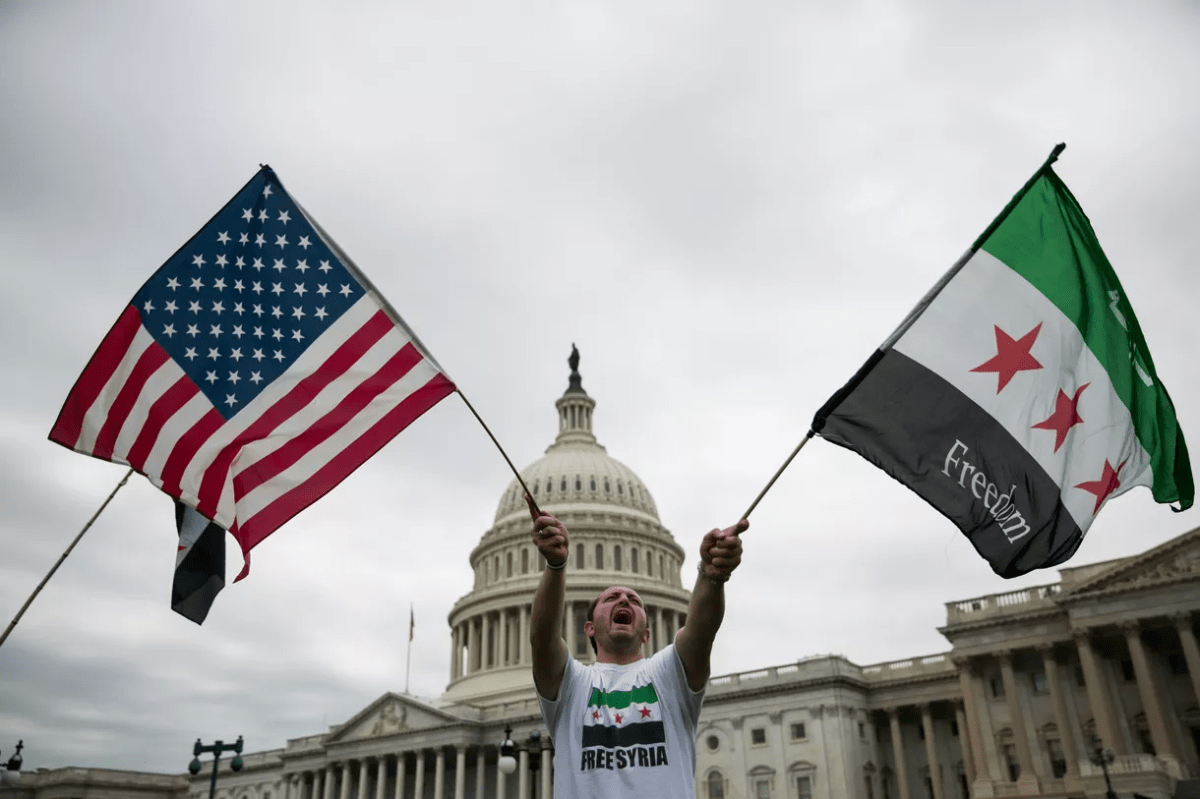
The power vacuum in Syria and the influence of rival players urges the U.S. to protect its interests in the region by rebuilding the country’s social infrastructure with very limited violence.
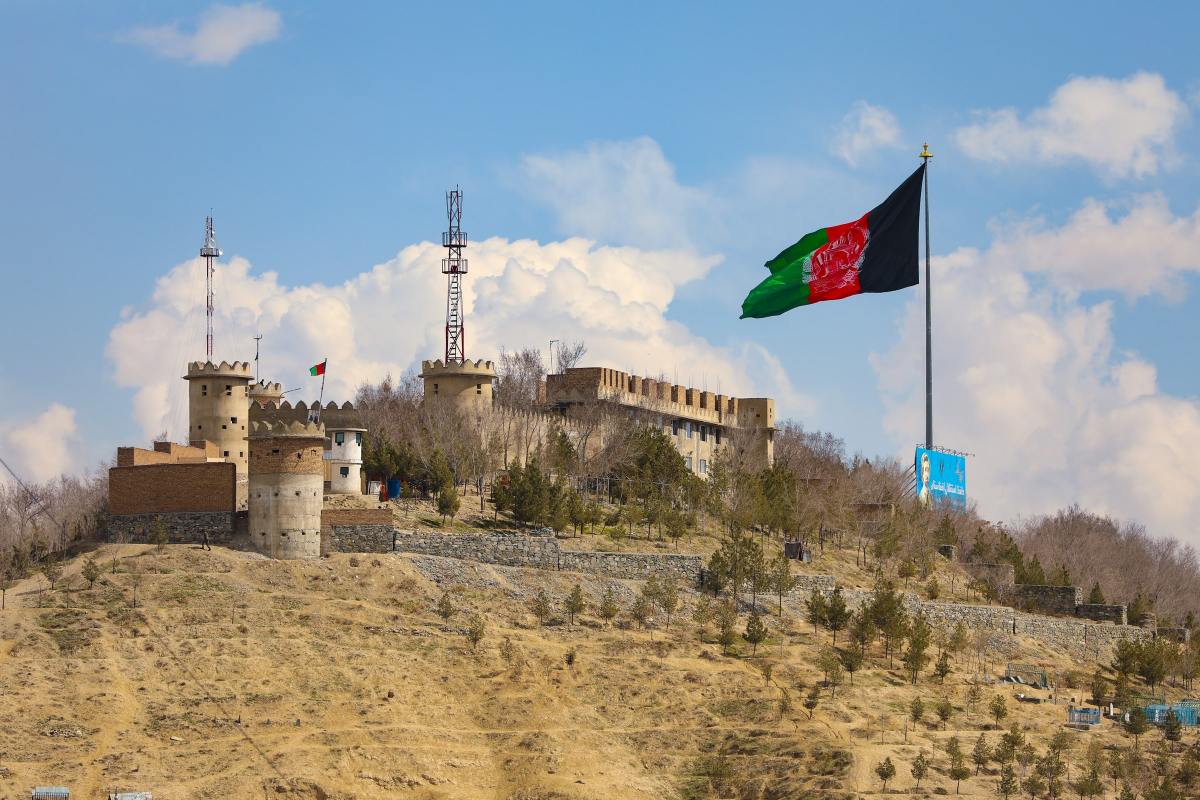
Although the world is hopeful for the prospect of an end to conflict, any peace agreement will hide abuses to human rights and religious plurality─something the world hoped to end when they ousted the Taliban in 2001.
Countries have yet to escape the grasps of their former colonizers as new foreign powers flock to the continent to install their own systems of extortion, in particular France and China.
China’s current leader has worked swiftly and ruthlessly to extend and cement his grip on power. He has presided over China at a time when the West increasingly perceives his country’s rise, intentions, and actions as an existential threat to the rules-based international order. The question remains: is Xi the driving force behind today’s China, or a product of it?
When international leaders meet in Glasgow this fall, they need to arrive not merely with a resolve to ramp up their individual efforts. Even more urgently, they need to be willing to apply significant political and legal pressure on one another, collectively, to establish a much stronger legal framework than the Paris Agreement currently demands of its signatories.