Taiwan’s presidential elections have set the tone for either a cooperative, or highly contentious relationship with the People’s Republic of China, and subsequently, the tone for United States cross-strait policy.
 Journal on World Affairs, UCLA
Taylor graduated summa cum laude from UCLA in 2021 with a degree in History and Global Studies. She offers background in Russian hybrid warfare and special operations.
Taiwan’s presidential elections have set the tone for either a cooperative, or highly contentious relationship with the People’s Republic of China, and subsequently, the tone for United States cross-strait policy.

In this edition, we offered a unique constellation of perspectives on what strategies the Biden Administration should adopt to effectively navigate today’s foreign and domestic challenges. Taken together, each perspective has added a different element to complete a larger, more holistic image for America’s path forward. Hence, the title of this edition was decided: America’s Quest for a Strategy.

The problem of “proliferation fatalism” and “deterrence optimism” is seen through withering arms control agreements, the conclusion of bilateral efforts to uphold nonproliferation diplomacy, and deep fissures between Democrats and Republicans on achieving the goal of nuclear nonproliferation.

Why America Needs a New Approach to Grand Strategy

Custom duties as aggressive as these have been tested numerous times throughout history. To date, there has not been a single country that has enjoyed sustainable economic growth as a result of increasing tariffs一and the 2018 tariffs are shaping out to be another example of a failed protectionist policy.

Combining Leading Nuclear and International Relations Theories under a Three-Pronged Model Explaining Nuclear Proliferation

The surge in saber-rattling suggests that Beijing will continue provoking Taipei using a gray zone strategy. While subversions of political systems and covert paramilitary operations have historic roots, China is using a new collection of tactics, notably in the cyber sector, that are challenging US and allied interests in novel ways.
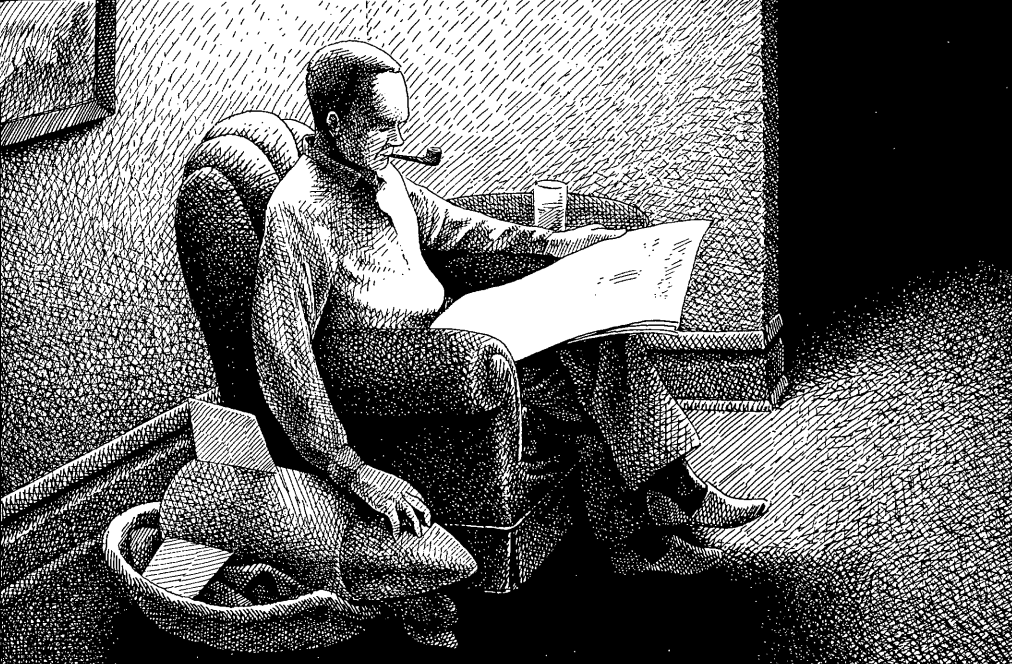
Despite being called the “number-one threat” and the “single greatest problem [of] the world,” according to Hillary Clinton and Donald Trump, respectively, on-air time for discussing nuclear weapons culminated in a whopping twelve minutes.

Though America’s nuclear arsenal and second strike capabilities are arguably the most powerful in the world, recent actions by China have left Washington worried. The Pentagon’s report on China’s growing military power, which now surpasses the United States in the fields of ground-launched ballistic and cruise missiles, is a somber reminder that the world has entered into a second nuclear age.

America is considering a defense pivot in Europe, which President Donald Trump claims to be in accordance to Russian threats and Germany’s failures to meet their NATO financial obligations. In January, Defense Secretary Mark Esper said America will begin this shift by withdrawing about twelve thousand of the thirty-six thousand American troops from Germany.

 Journal on World Affairs, UCLA